

Everyone in this city makes the Return twice. Once down from the Drifts, into the cold. Once out of your body, into the Grid. The street uses the same word for both on purpose, and once you’ve heard it that way you can’t unhear it.
The city rite. Die in the Bastion and the scrubbers collect you by morning; you’ve heard that line as a threat, but it’s also, technically, the funeral. The body goes to the Render, the reclamation works down in Chrome, where nothing organic leaves the ledger, biomass to the vats, Relic hardware pulled and papered, and the heat of the process fed back into the Grid. The Corpos will tell you it’s efficiency. The street has decided, quietly, over generations, to call it something better, the dead keep the city warm. It’s the one corporate process the gutter has chosen to hold sacred, mostly to spite the fact that it wasn’t meant to be.
Your Cal settles debts first; whatever remains, inherits. For the poor, the whole estate is often a number and a name, and the name is the part people fight over.
The conduit names. Mourning here is done in metal. The bereaved etch the dead’s name into the insulation jacket of a heat main, hand-height, in the district they lived in, so the warmth carries them through the city. The oldest mains in Sputnik are solid text, names over names over names, a century deep. The Tenders never scour them. The CA has never once cited it, and the CA cites everything; even a ceasefire with a badge knows there’s one wall you don’t clean.

The Last Read. Mnemonics attend deaths. Not as vultures, or not only, a deathbed Echo, taken with consent, is the cleanest capture there’s, and the trade has built a whole quiet etiquette around the bedside. Fees, waivers, the family’s cut. But there’s one part of the practice that costs nothing, and it’s the only free thing Mnemonics do. When a Runner takes a street name, the old rite is to sell the birth name to a Mnemonic for safekeeping, a few Cal, a sealed record, done. Retire alive and you can buy it back. Die, and the Mnemonic who holds your name comes to the Render door and releases it, reads it aloud, once, off-ledger, to whoever is standing there, and then the name is over. Runners who mock every faith in the city will still pay a stranger to hold their name. Make of that what you like.
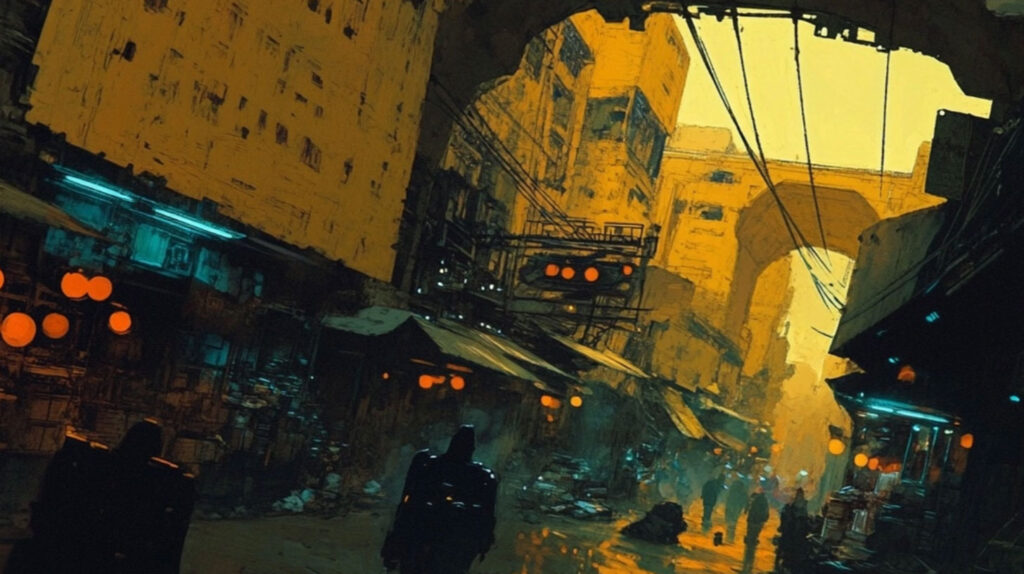
The clan rite. In the Wastes, the dead are a logistics problem with teeth. You don’t burn them; fuel is life. And you never, ever leave them, because a body left in Blighted country isn’t decaying, it’s enrolling. The Sounding clans carry their dead to the Sheet and give them through the bore-holes to the quiet water, the one clean place left, below the ice where the amber doesn’t fall. It can take a caravan days out of its way. They go anyway.
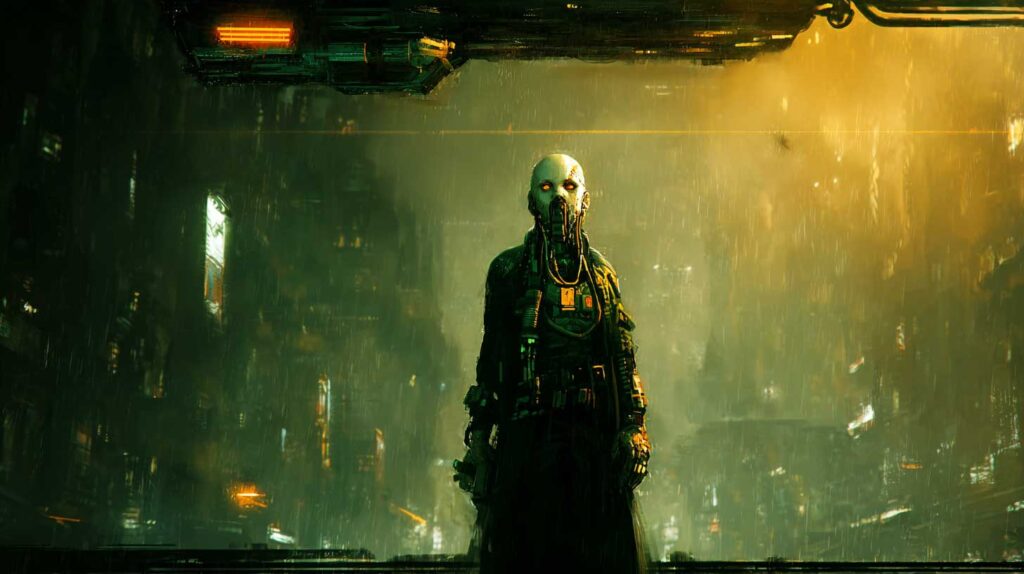
The taboo. A body abandoned in a deep Wastes comes back. Not soon, and not as them, as something wearing enough of the face to make you hesitate. You have read the codex on Riftspawn, the one titled why you never trust a familiar form. This is why. It’s the deepest cruelty the Wastes permits, and so, of course, it’s the worst thing one clan can do to another, carry an enemy’s dead deeper in, and let the country do the rest. Clans that have done it are named in the Count. The Count is long, and it doesn’t forgive. Most Riftspawn die to honest weapons more easily than the stories claim, the danger was never the fight, it’s the exposure, every close kill is a dose. And there’s a trade the codex won’t dignify with instructions, the eating of Riftspawn flesh, creatures rewritten so completely their meat is a concentrated dose of somewhere else. The desperate call it medicine. The Ascension calls it communion. The clans call it the fastest way to stop being you.
[TRANSMISSION END]