

Conversion presents in four stages. Most of the Bastion is stage one and unaware, which is why the walk-in subsidy exists. Early presentation is treatable presentation.
Stage one. The Static Itch. Latent. A chronic low ache, a persistent sensation of being observed, pattern-recognition in dead screens and empty static. Chromed patients report minor sensory artifacts, colors without names, sounds below threshold. A faint glint behind the iris in low light is the first clinical sign. Fully manageable. Most patients present later than they should.

Stage two. First Cracks. The Whispers resolve from texture toward language. Pallor, and fine angular amber linework, forearms first, and patients consistently describe the angles as looking incorrect, which the imaging supports. Dissociative episodes begin, hands that don’t read as yours. Suppression courses hold this stage for years. This is also the stage the Ascension greets like vows, and clinic staff are instructed not to argue theology at intake.
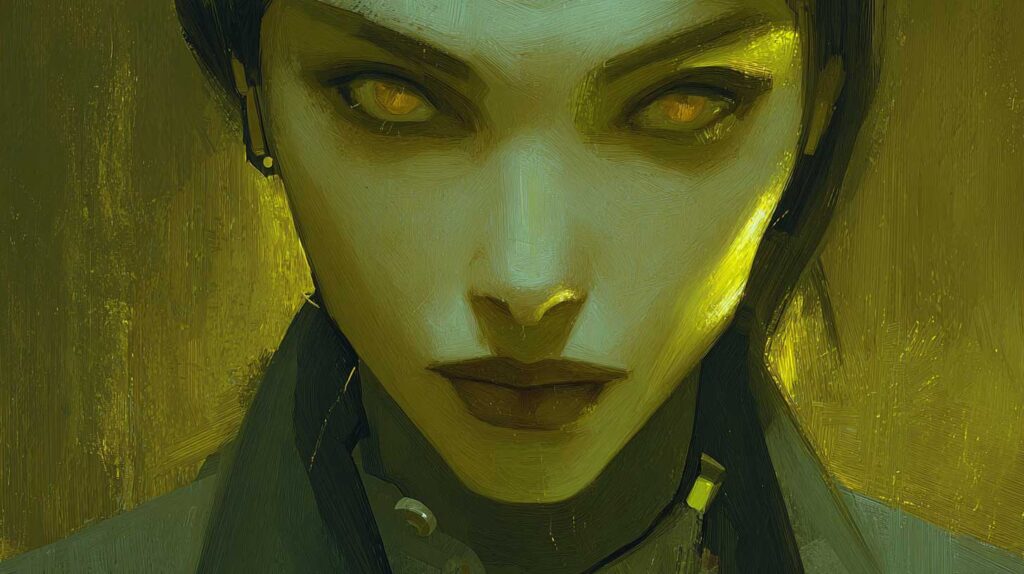
Stage three. The Garden of Flesh. Crystalline growth at collar, knuckle, spine. Steady luminance. Patients report improved clarity and mean it, and the mind begins to agree with the change, the patterns reading first as beautiful, then as meant. Stage three is managed, not reversed. Management works. It works better with a support structure the clinic can’t bill for.
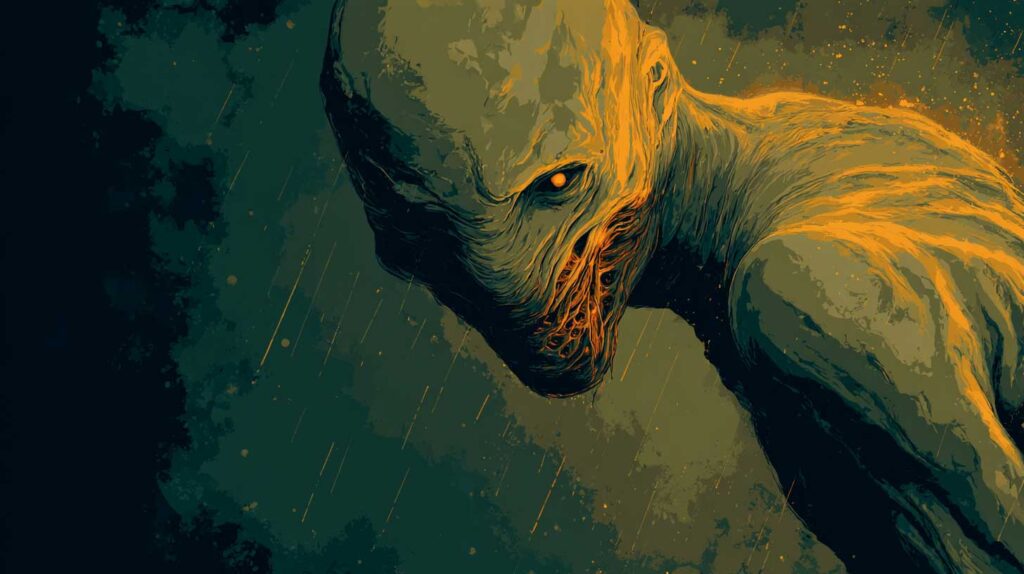
Stage four. The Pale. Total conversion. Stage four isn’t a condition a patient has. It’s a direction a patient finished walking. Deep-stage individuals perceive, and are addressed by, phenomena the unconverted can’t detect. That’s documented across four centuries of intake notes, and it’s the last line of this reference because there’s no protocol after it, only a referral.
[REFERENCE ENDS. STABILIZE FIRST. BILL LATER.]